

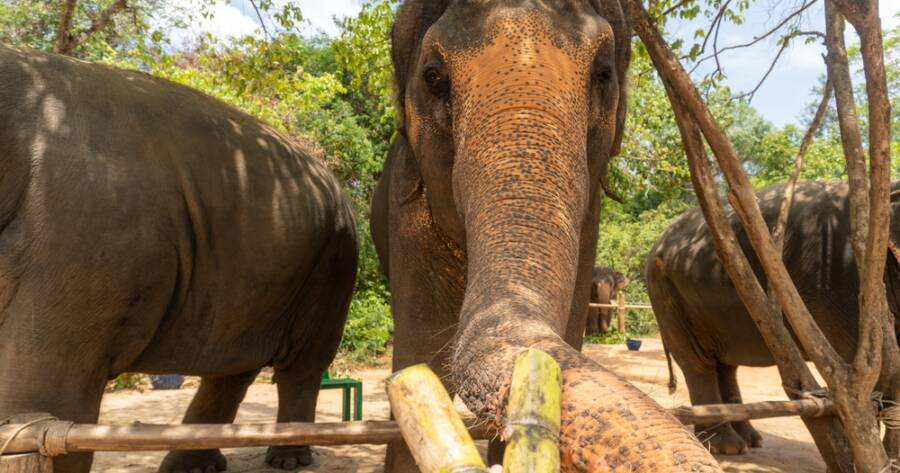
A photo op with a tiger cub or an elephant ride can look like conservation while funding the opposite: breeding for contact, chronic stress, and animals that never see the wild. Real sanctuaries prioritize the animals’ welfare over visitor access, rescue rather than breed or trade, and let creatures behave naturally, hands off. Know how to spot the difference before you book and why that research protects both the animals and your money.
What Makes a True Wildlife Sanctuary
At its core, a legitimate sanctuary exists to rescue animals that have been abandoned, injured, or mistreated, providing them with long-term shelter and proper care. The mission is focused entirely on the well-being of the animals rather than on generating revenue from public interaction. Organizations like the Global Federation of Animal Sanctuaries (GFAS) establish clear standards to define what this actually looks like in practice, covering everything from veterinary programs to physical facilities and staffing requirements (source).
One of the defining characteristics of a reputable sanctuary is that it does not engage in commercial trade of animals, does not conduct invasive research, and does not allow unescorted public contact with wild animals (source). These are not arbitrary restrictions — they exist because true animal welfare requires limiting stress-inducing human interaction, particularly for animals that carry histories of trauma or fear-based conditioning.
The Problem With Pseudo-Sanctuaries
A growing number of facilities adopt the language of rescue and conservation while operating in ways that directly contradict those values. These pseudo-sanctuaries take advantage of public goodwill, using terms like “rescue,” “sanctuary,” and “conservation” to attract donations and visitor fees from people who have no reason to question the marketing (source). Behind the branding, however, the animals may be living in conditions that are far from humane.
Some of these operations sell animals to hunting ranches that offer so-called canned hunts, or breed wildlife under the guise of conservation programs (source). Breeding is itself a major red flag — legitimate sanctuaries do not breed animals, because doing so suggests the facility is producing wildlife for profit or for ongoing display rather than genuinely rehabilitating rescued individuals (source). When visitors see large numbers of cubs or young animals regularly available for petting or photo opportunities, that cycle of births is almost certainly not happening in the interest of the animals themselves.
There is also a broader conservation cost. When big cats, for example, are rapidly bred in captive tourist settings, it can generate a false public impression that these species are thriving, when in reality wild populations face serious threats. This perception can erode public urgency around genuine conservation efforts (source).
Red Flags Travelers Should Watch For
Several warning signs can help visitors separate authentic sanctuaries from exploitative ones before they ever arrive. Any facility that actively promotes direct animal contact — photo sessions with big cats, riding elephants, washing large predators — is not operating by genuine animal welfare standards. Performing, posing with tourists, or being chained are behaviors no wild animal would display naturally, even if raised in captivity (source). When a venue offers these experiences at scale to large volumes of visitors, the welfare of the animals has almost certainly been compromised.
Noise, crowds, and constant human proximity cause measurable distress for animals — particularly those that have already experienced trauma such as early separation from their mothers (source). A legitimate operation will structure visits to minimize this kind of disruption, not maximize foot traffic.
In the United States, the legal landscape has also shifted. The Big Cat Public Safety Act now prohibits private ownership of tigers, lions, leopards, and related species, and restricts dangerous public interactions with these animals (source). This law provides an additional baseline, though it does not eliminate all problematic operations entirely.
How to Verify a Facility’s Legitimacy
Accreditation is one of the most reliable tools available to prospective visitors. Bodies like GFAS and the American Sanctuary Association (ASA) conduct periodic assessments of facilities against species-specific welfare standards. GFAS accreditation functions as a recognized seal of approval that covers governance, financial management, physical conditions, and animal care practices (source). Before visiting or donating to any wildlife facility, checking whether it holds accreditation from one of these organizations is a straightforward and meaningful step (source).
Beyond accreditation, the five freedoms framework — developed from a 1965 UK government report and now recognized internationally — offers a practical lens for evaluating how well any captive animal facility is performing (source). These principles address physical health, behavioral freedom, and psychological well-being, forming a foundation that any genuinely ethical venue should be able to demonstrate.
Transparency matters too. A trustworthy sanctuary will be open about its funding, its animal population, and the circumstances under which animals arrived. Facilities that are vague about these details, or that rely heavily on emotional storytelling without providing concrete information, deserve closer scrutiny.
Why You Should Learn More About Ethical Wildlife Tourism
Ethical wildlife tourism starts with informed decision-making. When visitors understand the difference between genuine sanctuaries and profit-driven operations, they become part of a broader movement that supports real animal welfare rather than undermining it. Accredited facilities depend on responsible visitors and donors to sustain their work. Choosing to support only verified sanctuaries — and avoiding venues that trade animal stress for ticket sales — has a direct and meaningful impact on the animals involved. The standards set by organizations like GFAS, the frameworks used by international animal welfare bodies, and the legal protections now in place in the United States all point toward a clearer, more accountable model for wildlife tourism. Taking the time to apply these tools before visiting any facility makes each wildlife encounter one that genuinely contributes to conservation rather than contradicting it.