

Planning your first international trip can feel exciting and a little overwhelming at the same time. Europe is often a great place to start because many cities are easy to navigate, full of history, and welcoming to travelers. Choosing the right destination can make your first experience smoother and more enjoyable. Some cities stand out for their convenience, culture, and variety of things to see, making them ideal for first-time visitors.
London, England for Familiarity and Ease
London is one of the easiest European cities for many American travelers because English is the main language and the public transportation system is simple to use. A first visit can start around Westminster, where Big Ben, the Houses of Parliament, Westminster Abbey, and the Thames are all close together. From there, walking across Westminster Bridge toward the South Bank gives travelers river views, the London Eye, cafés, and an easy introduction to the city.
London also gives first-time visitors a strong mix of royal history, museums, parks, and neighborhoods. Buckingham Palace and St. James’s Park offer a classic royal sightseeing stop, while the British Museum is a good choice for travelers who want a major cultural attraction. For a more relaxed day, Covent Garden, Borough Market, and the Tower of London area help visitors see different sides of the city without needing a packed schedule.
Paris, France for Culture and Iconic Landmarks
Paris is a classic first international destination because many of its most famous sights are easy to connect in one trip. A first-time route can begin near the Eiffel Tower and Trocadéro, then continue along the Seine for views of bridges, museums, and historic buildings. A Seine boat ride can also help visitors get oriented while seeing landmarks such as Notre-Dame and the city’s riverfront from a different angle.
The city also works well when travelers balance major landmarks with neighborhood time. The Louvre and Tuileries Garden can fill part of a day without requiring a rushed museum visit, while Montmartre offers hilltop views, Sacré-Cœur, and smaller streets with a village-like feel. Le Marais is another strong area for cafés, boutiques, historic streets, and casual wandering, which helps Paris feel more personal and less like a checklist of monuments.
Rome, Italy for History and Food
Rome is a great first-trip city for travelers who want history they can see in everyday life. The Colosseum, Roman Forum, and Palatine Hill are best treated as one larger historic area instead of separate stops, since together they show the scale of ancient Rome. Another easy walking route connects the Pantheon, Piazza Navona, Trevi Fountain, and the Spanish Steps, giving first-time visitors several famous sights in a manageable path.
Rome also works because sightseeing can be broken up with simple pleasures. A morning at the Vatican area can include St. Peter’s Square, St. Peter’s Basilica, and the Vatican Museums, while the evening can be saved for Trastevere, a lively neighborhood with narrow streets and casual restaurants. This balance of ancient sites, piazzas, churches, and food makes Rome feel rich without needing every hour to be planned.
Barcelona, Spain for Relaxed Travel and Variety
Barcelona is a strong choice for travelers who want variety in one city. A first visit should include Gaudí’s major works, especially Sagrada Família and Park Güell, because they give the city its most recognizable look. The Eixample area is useful for seeing more of Barcelona’s broad streets and architecture, while the Gothic Quarter offers a very different feel with narrow lanes, old stone buildings, small squares, and the cathedral area.
The city also gives first-time visitors room to slow down. La Boqueria Market and La Rambla can be added to a central sightseeing day, while Barceloneta Beach offers an easy break from museums and architecture. Montjuïc is another helpful stop for travelers who want gardens, viewpoints, and a calmer pace. This mix of beaches, food, design, and historic streets makes Barcelona feel less rigid than a city built only around monuments.
Amsterdam, Netherlands for Easy Navigation
Amsterdam is a good first international city because the center is compact, scenic, and easy to understand. The Canal Ring and Jordaan area are useful starting points because visitors can walk along bridges, houseboats, narrow homes, cafés, and small shops without needing a complicated route. The city’s trams, buses, metro, ferries, and trains also make it easier to move around when walking is not convenient.
For museums, Museumplein is the main area to plan around. The Rijksmuseum is a strong choice for Dutch art and history, while the Van Gogh Museum gives visitors a focused look at one of the world’s best-known artists. The Anne Frank House is another meaningful stop, but it should be planned ahead because tickets and timing matter. Together, these areas give Amsterdam a good mix of beauty, history, and easy daily pacing.
Dublin, Ireland for a Friendly Experience
Dublin is a strong first-trip choice for travelers who want a smaller, less intimidating European capital. English is widely spoken, the city center is walkable, and many major sights can fit into a relaxed few days. Trinity College and the Book of Kells Experience make a good starting point, especially when paired with nearby Grafton Street, St. Stephen’s Green, and Merrion Square.
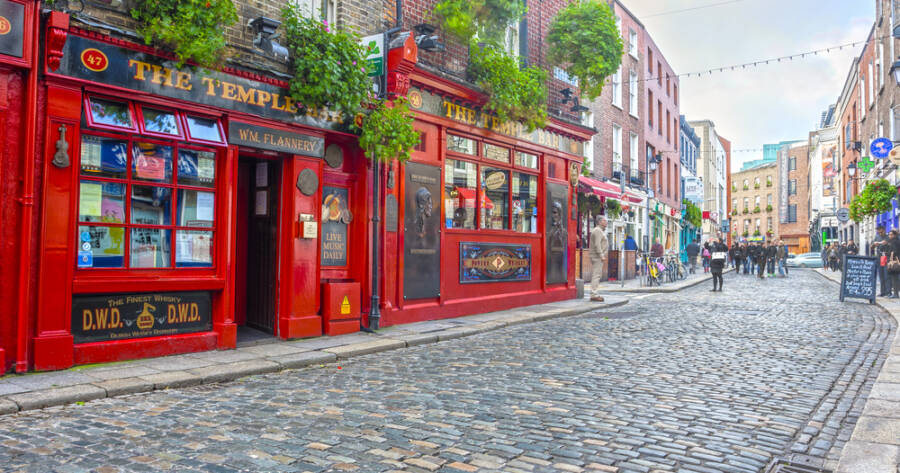
Dublin also works well for travelers who want history, music, and local atmosphere without a huge city schedule. Dublin Castle, Christ Church Cathedral, and Temple Bar can be grouped into one easy route, while Kilmainham Gaol is worth planning for travelers who want a deeper historical stop. The city’s friendly pace makes it a comfortable first step into Europe, especially for visitors who want culture without feeling overwhelmed.
Tips for First-Time Travelers to Europe
Before your trip, it’s helpful to plan the basics. Make sure your passport is up to date and research transportation options in your destination city. Knowing how to get around can save time and reduce stress.
It’s also a good idea to pack light and bring comfortable walking shoes. Many European cities are best explored on foot. Learning a few basic phrases in the local language can also make your experience smoother, even in cities where English is common.
Safety Tips for a Smoother First Trip
- Keep your passport, backup credit card, and extra cash in a secure place, not all in the same bag.
- Use a crossbody bag or zippered day bag in crowded areas, especially on trains, buses, and busy streets.
- Avoid carrying your passport around all day unless you know you need it for a specific reason.
- Save your hotel address offline so you can find your way back without cell service.
- Download offline maps before you leave your hotel or rental.
- Use official taxi stands, rideshare apps, or public transportation instead of accepting random ride offers.
- Be careful around crowded tourist spots, where pickpocketing is more common.
- Tell someone at home your basic itinerary, especially if you plan to visit multiple cities.
- Keep an eye on your phone battery, since your phone may be your map, translator, ticket holder, and emergency tool.
- Trust your instincts if a street, train car, or situation feels uncomfortable.
Start Your Travel Journey with Confidence
Choosing the right city for your first international trip can shape your entire travel experience. Cities like London, Paris, Rome, Barcelona, Amsterdam, and Dublin offer a mix of culture, convenience, and memorable sights.
Starting with a destination that is easy to navigate and welcoming can help you feel more confident as a traveler. With the right planning and an open mind, your first trip to Europe can be the beginning of many future adventures.