

After a tough workout, your body and muscles needs time to recover and repair. Without proper recovery, you may feel sore, stiff, or even risk injury. The good news is that simple recovery tools can help reduce discomfort and support faster healing. From foam rollers to massage devices, the right tools can make your post-workout routine more effective and help you feel ready for your next session.
Why Recovery Tools Matter After Exercise
Recovery is just as important as the workout itself. When you exercise, your muscles go through stress and small tears. During recovery, your body repairs this damage and builds strength. Skipping this step can slow progress and increase soreness.
Recovery tools are designed to support this process. They help improve blood flow, reduce muscle tension, and ease stiffness. Many tools also help with flexibility, which can lower the risk of injury and improve overall performance.
Foam Rollers for Muscle Release
Foam rollers are one of the most common recovery tools. They are simple, affordable, and easy to use at home. By rolling your body over the foam surface, you apply pressure to tight muscles, which can help release tension and improve mobility.
This process is known as self-myofascial release. It can help reduce muscle soreness and improve range of motion after exercise. Foam rollers are especially useful for large muscle groups like the legs, back, and hips.
Massage Guns for Deep Tissue Relief
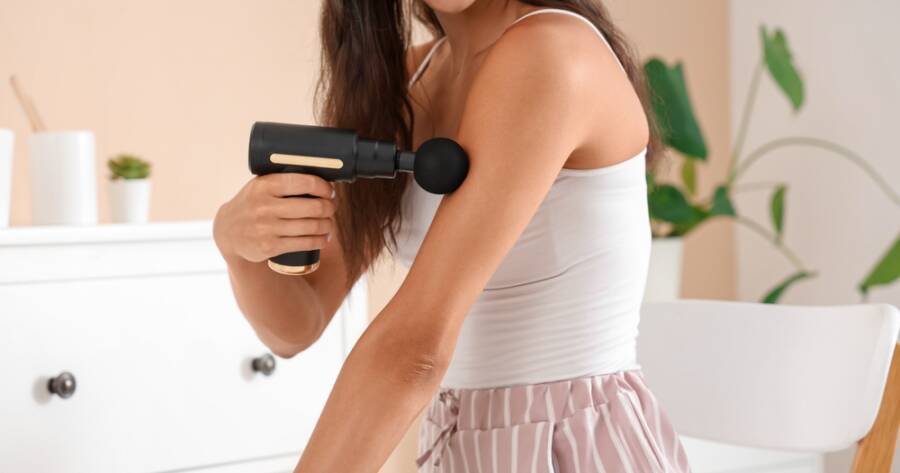
Massage guns have become very popular for post-workout recovery. These handheld devices use rapid pulses to target sore muscles. This type of treatment helps loosen tight areas and improve circulation.
Using a massage gun after a workout can reduce stiffness and help muscles feel more relaxed. Many people use them on areas like the shoulders, thighs, and calves. They are especially helpful for spot-treating specific areas of discomfort.
Compression Boots for Circulation Support
Compression boots are designed to improve blood flow in the legs. They use air pressure to gently squeeze and release muscles in a cycle. This motion helps move fluids through the body and may reduce swelling after intense workouts.
These tools are often used by athletes who train frequently. They can help reduce soreness and support faster recovery between sessions. Compression therapy is especially useful after long runs or heavy leg workouts.
Stretching Tools for Flexibility
Stretching is a key part of recovery, and certain tools can make it easier. Stretching straps and bands help you reach deeper stretches without strain. They allow you to hold positions safely and improve flexibility over time.
Improved flexibility can reduce muscle tightness and support better movement. Using stretching tools regularly can also help prevent injuries and keep your body feeling balanced after workouts.
Heat and Cold Therapy for Muscle Relief
Heat and cold therapy are simple but effective ways to reduce soreness. Cold therapy, such as ice packs, can help reduce inflammation after intense exercise. Heat therapy, like heating pads, can relax muscles and improve blood flow.
Using both methods at the right time can support recovery. Cold is often best right after a workout, while heat is helpful later when muscles feel tight or stiff. These tools are easy to use and can be part of a regular recovery routine.
Massage Balls for Targeted Relief
Massage balls are small tools that help target specific areas of tension. They are useful for hard-to-reach spots like the feet, shoulders, and lower back. By applying pressure to tight points, they can help release knots and improve comfort.
These tools are easy to carry and can be used almost anywhere. They are a good option for quick relief, especially if you feel tightness in smaller muscle areas.
Recover Smarter for Better Results
Post-workout recovery is an important part of any fitness routine. Using the right tools can help reduce soreness, improve flexibility, and support muscle repair. From foam rollers to massage guns and compression tools, each option offers unique benefits.
The key is to find what works best for your body and use it consistently. Even a few minutes of recovery after each workout can make a big difference over time. By taking care of your body, you can stay active, reduce discomfort, and continue making progress toward your fitness goals.