

Healthspan is the part of life spent feeling strong, mobile, clear-minded, and able to enjoy daily routines. Food choices can support that goal, but some items make it harder when they show up often. The biggest concern is not one birthday dessert or one salty meal. It is the repeated pattern of drinks, snacks, and convenience foods that push blood sugar, blood pressure, heart health, and metabolism in the wrong direction over time.
How This Ranking Works
This ranking is based on everyday risk, not fear. A food or drink ranks higher when it is easy to consume often, hard to notice in large amounts, and linked with several long-term health concerns. That is why drinks appear near the top: they can add sugar or alcohol quickly without making a person feel as full as a balanced meal.
| Rank | Category | Main Concern | Examples | Better Swaps |
|---|
| 1 | Sugary drinks | High added sugar | Soda, energy drinks | Water, unsweetened tea |
| 2 | Processed meats | Frequent intake risk | Bacon, deli meat | Beans, eggs, fish |
| 3 | Alcoholic drinks | Cancer and liver risk | Beer, wine, liquor | Mocktails, seltzer |
| 4 | Hydrogenated oils | Artificial trans fats | Frosting, some snacks | Nuts, fruit, whole grains |
| 5 | High-sodium foods | Blood pressure risk | Frozen meals, fast food | Lower-sodium meals |
| 6 | Refined grain sweets | Added sugar, low fiber | Cookies, sugary cereal | Oatmeal, fruit, yogurt |
| 7 | Ultra-processed foods | Multiple risk factors | Frozen pizza, instant noodles | Leftovers, rice and beans |
The goal is not to label every item as forbidden. A long, healthy life is usually shaped by repeated habits, not one food. Still, cutting back on the most common risk drivers can make the biggest difference. For many people, that means starting with sugary drinks, processed meats, alcohol, artificial trans fats, high-sodium packaged foods, and refined grain snacks or sweets.
1) Sugary Drinks
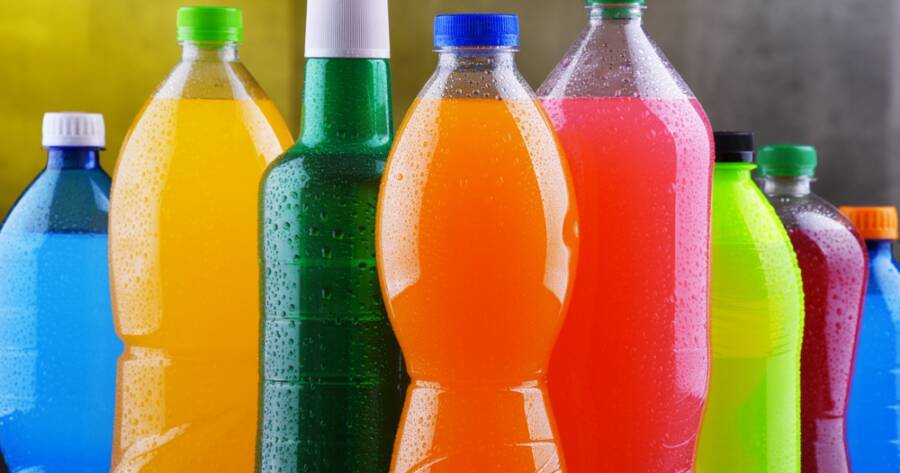
Sugary drinks rank first because they are easy to drink quickly and can add a lot of sugar without much fullness. This category includes regular soda, sweet tea, fruit drinks, sports drinks, energy drinks, sweetened coffee drinks, and similar beverages. Sugary drinks are a leading source of added sugars in the American diet.
The concern is not just calories. Frequently drinking sugar-sweetened beverages is associated with weight gain, obesity, type 2 diabetes, heart disease, non-alcoholic liver disease, tooth decay, cavities, and gout. A practical swap is to move toward water, sparkling water without added sugar, unsweetened tea, black coffee, or water flavored with fruit. People who drink several sweet drinks a day may find it easier to reduce them step by step rather than quit all at once.
2) Processed Meats
Processed meats rank second because they are common, convenient, and often eaten repeatedly at breakfast, lunch, and quick dinners. This group includes bacon, hot dogs, ham, sausage, salami, pepperoni, deli meats, and many packaged meat snacks. These foods may be smoked, cured, salted, or preserved in ways that make them easy to store and serve.
Higher consumption of red meat, especially processed red meat, has been associated with a higher risk of type 2 diabetes, cardiovascular disease, certain cancers, including colorectal cancer, and premature death. This does not mean every sandwich is a crisis. It does mean processed meats should not be the default protein every day. Better routine choices may include beans, lentils, eggs, fish, poultry, plain meat, tofu, or leftovers from a less processed meal.
3) Alcohol
Alcohol ranks high because it can affect health even when it is socially normal and easy to underestimate. Beer, wine, cocktails, hard seltzers, and liquor all count. Alcohol can also show up in patterns that feel casual, such as nightly drinks, weekend binges, or “just one more” during social events.
Drinking alcohol raises the risk of several cancers, including cancers of the mouth, throat, voice box, esophagus, colon and rectum, liver, and breast in women. The body can process only small amounts of alcohol at a time, and the rest can affect the liver and other organs as it moves through the body. For healthspan, the most useful habit is to reduce how often alcohol appears, avoid using it as the main stress tool, and choose alcohol-free days as part of a normal routine.
4) Foods Made With Partially Hydrogenated Oils
Foods made with partially hydrogenated oils rank near the top because artificial trans fats have one of the clearest health concerns. In the past, partially hydrogenated oils were used to improve shelf life and texture in some packaged foods. They could appear in items such as baked goods, frostings, shortening, microwave popcorn, snack foods, and some frozen or shelf-stable products.
Partially hydrogenated oils are no longer considered Generally Recognized as Safe (GRAS) for use in foods. Even though the U.S. food supply has changed, checking labels is still a smart habit, especially with older products, imported foods, or items from small specialty markets. The key phrase to watch for is “partially hydrogenated oil.” If it appears on an ingredient list, that product is worth avoiding.
5) High-Sodium Packaged and Restaurant Foods
High-sodium foods rank fifth because many people do not realize where most sodium comes from. The issue is not only the saltshaker. Most sodium in the diet comes from packaged and restaurant foods. This can include frozen meals, canned soups, pizza, sandwiches, deli foods, sauces, salty snacks, fast food, and some breads.
Eating too much sodium can raise blood pressure and increase the risk of heart disease and stroke. A practical approach is to compare labels, choose lower-sodium versions when possible, rinse canned beans or vegetables, use herbs and spices for flavor, and keep restaurant meals from becoming the main daily pattern. Sodium reduction often works best through small changes because taste preferences can adjust over time.
6) Refined Grain Sweets and Snack Foods
Refined grain sweets and snack foods rank lower than sugary drinks and processed meats, but they still matter because they can become daily defaults. This category includes cookies, cakes, pastries, sugary cereals, white crackers, many snack bars, and other products built mostly around refined flour, added sugar, and fats. They are often easy to overeat because they are soft, sweet, salty, or quick to grab.
Choosing whole grains and other less processed, higher-quality carbohydrate sources while cutting back on refined grains can support health in several ways. The better swap is not always a strict “no dessert” rule. It may be choosing oatmeal instead of sugary cereal, whole-grain toast instead of a pastry, fruit with yogurt instead of cookies most nights, or nuts and whole fruit instead of refined snack foods between meals.
7) Ultra-Processed Combo Foods
Ultra-processed combo foods deserve their own place because they often contain several risk factors at once. These foods may combine refined grains, added sugars, high sodium, low fiber, flavor enhancers, and highly processed fats in one convenient package. Examples can include some frozen pizzas, packaged snack cakes, instant noodles, fast-food meals, heavily processed breakfast sandwiches, and many ready-to-eat snacks.
Greater exposure to ultra-processed foods has been associated with a higher risk of adverse health outcomes, especially cardiometabolic, mental health, and mortality outcomes, though the strength of evidence varies across outcomes. The practical solution is not to panic over every packaged item. Instead, look at how often these foods replace simple meals. A sandwich made at home, leftover soup, rice with beans, eggs with vegetables, or a quick salad bowl can all reduce reliance on ultra-processed defaults.
What To Limit First
The easiest place to start is usually the item that appears most often. For one person, that may be soda. For another, it may be deli meat at lunch, alcohol at night, salty frozen meals, or sweet snacks after dinner. The best first change is the one that removes a repeated risk without making life feel impossible.
It can help to choose one category for two weeks and make a clear swap. Replace sweet drinks with unsweetened options, processed meats with less processed protein, or salty packaged meals with simpler home-prepared foods. Small changes work better when they are specific. “Eat better” is vague. “Drink unsweetened tea at lunch” is easier to follow.
A Better Way To Think About Longevity Eating
A long, healthy life is not built by avoiding every imperfect food. It is built by making the most frequent choices less harmful and more nourishing. The highest-risk items are often the ones that are easiest to repeat without thinking: sweet drinks, processed meats, alcohol, packaged snacks, and salty convenience meals.
The best approach is to reduce the foods and drinks that carry the strongest everyday risk while adding more foods that support fullness, nutrients, and steady energy. Water, beans, vegetables, fruit, whole grains, nuts, fish, eggs, and less processed proteins can make the change feel less like restriction and more like replacement. Over time, the goal is a pattern that protects heart health, metabolism, digestion, energy, and independence for as many years as possible.