

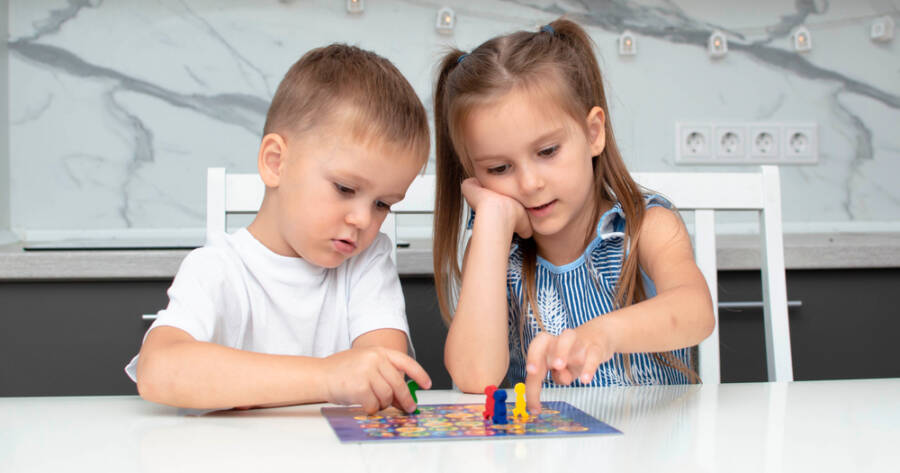
Family game night is a great way to spend time together while helping kids learn new skills. Educational board games make the time even more valuable by mixing fun with learning. From building vocabulary to improving problem-solving, the right games can teach without feeling like school. With so many options available, it’s easy to find games that fit your child’s age, interests, and learning style while keeping everyone engaged.
Why Educational Board Games Matter
Educational board games are designed to teach skills through play. Many games focus on areas like math, reading, logic, and strategy, helping kids develop important abilities in a relaxed setting. These games also encourage turn-taking, patience, and teamwork, which are valuable life skills.
Another benefit is that learning feels natural. Kids often don’t realize they are practicing skills because they are focused on winning or completing a challenge. This makes board games a great option for parents who want to support learning without adding pressure or screen time.
Classic Educational Games That Still Work
Some of the best educational board games are classic options that have been around for years. Games like Scrabble Junior help kids build vocabulary and spelling skills, while Monopoly Junior introduces basic money concepts and decision-making.
These games are popular because they are simple to understand and easy to adapt for different age groups. Families can adjust rules or offer help to younger players, making them a flexible choice for mixed-age households. Classic games also tend to be widely available, making them a reliable starting point for family game night.
Strategy and Logic Games for Older Kids
For older children, strategy-based games can offer a deeper level of learning. Games like Ticket to Ride encourage planning and decision-making, while logic games such as Gravity Maze challenge players to solve puzzles step by step.
These types of games help build critical thinking skills. Players must plan ahead, adjust their strategy, and think about possible outcomes. Over time, this strengthens problem-solving abilities and helps kids become more confident in making decisions.
Subject-Based Games That Teach Specific Skills
Some board games focus on one school subject, which can make learning feel more direct without turning game night into homework. Math games can help kids practice counting, adding, subtracting, or making quick number choices, while science and nature games can help kids explore animals, habitats, food chains, and ecosystems in a more hands-on way.
A strong example is Cytosis: A Cell Biology Game, which introduces biology concepts through gameplay built around the parts and functions of a cell. Players use resources, enzymes, hormones, and cell structures as part of the game, making science feel more active than reading from a textbook. Subject-based games work best when they turn a topic into something kids can move, plan, and interact with at the table.
Cooperative Games That Build Teamwork
Not all board games are about competition. Cooperative games encourage players to work together toward a shared goal. This can help kids learn teamwork, communication, and problem-solving in a group setting.
Games like Outfoxed, where players solve a mystery together, are a good example. Instead of focusing on winning alone, players must share ideas and support each other. This makes cooperative games a great choice for families who want a more relaxed and positive game night experience.
Try Qwirkle For Pattern Recognition And Strategy
Qwirkle is a useful option for families who want a game that feels simple at first but still encourages deeper thinking. Players match tiles by color or shape, which helps younger players practice visual recognition while giving older players room to plan better moves. Because the rules are easy to understand, it can work well for mixed-age family game nights.
The educational value comes from spotting patterns, comparing options, and thinking ahead. Kids can practice focus and decision-making without needing heavy reading or long explanations. It is also a good choice for families who want something quieter and more puzzle-like than a fast party game.
Try The Scrambled States Of America For Geography Learning
The Scrambled States of America is a playful way to introduce U.S. geography without making it feel like a quiz. The game uses state cards and quick challenges that help kids become more familiar with state names, locations, shapes, and basic facts. It can be a good fit for families who want a geography game that feels light and energetic.
This type of game works well because it combines memory, observation, and fast thinking. Children can build awareness of the United States while still feeling like they are playing for fun. It may also give parents an easy opening to talk about travel, maps, regions, and places family members have visited.
Match Games To Your Child’s Developmental Stage
Age labels are helpful, but they do not always tell the whole story. A child may be old enough for a game but not ready for long instructions, small game pieces, heavy reading, or multi-step strategy. Before choosing a game, think about your child’s attention span, reading level, comfort with numbers, and ability to handle losing or waiting for a turn.
For younger children, simple matching, counting, color recognition, and memory games may work best. Older children may enjoy games that require planning, flexible thinking, or longer decision-making. Choosing a game that matches your child’s current stage helps keep learning fun instead of frustrating.
Use Games To Practice Emotional Regulation And Social Skills
Board games can teach more than academic skills. They also give kids a safe way to practice patience, frustration management, teamwork, and respectful communication. Losing a turn, changing a plan, or watching another player win can help children learn how to stay calm when things do not go their way.
Parents can support this by modeling good sportsmanship during play. Simple habits like congratulating another player, taking a break when emotions run high, and talking through a tough moment can make game night more meaningful. Over time, these small lessons can help kids build confidence and self-control.
Choosing the Right Game for Your Family
When picking an educational board game, it’s important to consider age, skill level, and interests. Younger kids may enjoy games with bright visuals and simple rules, while older kids might prefer strategy or puzzle-based challenges.
It’s also helpful to think about how many people will be playing and how long the game lasts. Shorter games work well for younger children with shorter attention spans, while longer games may be better for older kids and teens. Choosing the right fit helps keep everyone engaged and excited to play again.
Making Learning Fun at the Table
Educational board games are a simple way to bring learning into everyday family life. They offer a balance of fun and skill-building that works for kids of all ages. Whether you choose a classic game, a strategy challenge, or a subject-based option, the goal is to create a positive and engaging experience.
By making game night a regular habit, families can build stronger connections while helping kids grow. With the right games, learning becomes something kids look forward to, not something they try to avoid. Over time, these shared moments can turn into lasting habits that support both learning and family connection.