

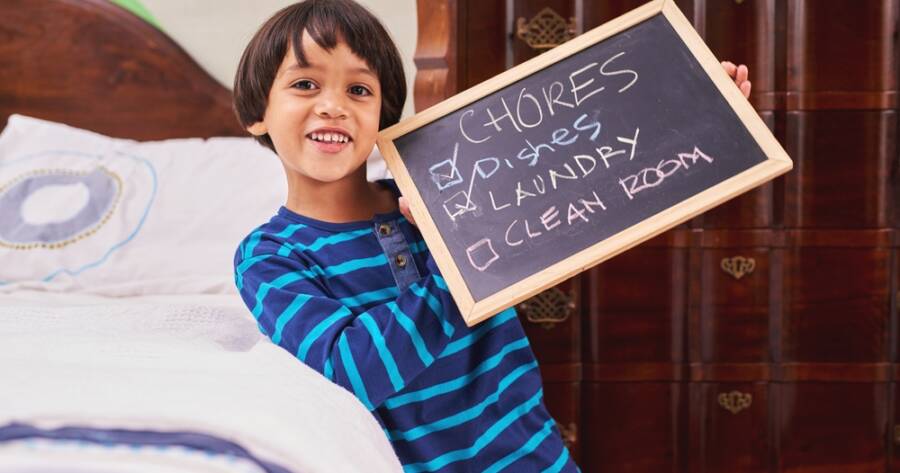
Getting kids to follow through on chores can be a daily challenge for many families. A clear system makes a big difference, helping children understand what is expected and giving them a sense of responsibility. Chore charts are one of the easiest ways to build good cleaning habits at home. With the right setup, they can turn simple tasks into routines that kids actually follow and take pride in completing.
Why Chore Charts Work for Kids
Chore charts give kids a clear visual of what needs to be done. Instead of constant reminders, children can look at the chart and see their tasks for the day or week. This reduces confusion and helps them stay on track without feeling overwhelmed.
They also build a sense of ownership. When kids check off completed tasks, they feel a small sense of success. Over time, this helps them understand the value of contributing to the household and encourages more consistent behavior.
Printable Chore Charts for Simple Setup
Printable chore charts are one of the easiest ways to get started. Parents can find templates online and customize them based on age and tasks. These charts can be placed on the fridge or in a common area where everyone can see them.
The key to making printable charts work is consistency. Use simple language and clear expectations. For younger kids, adding colors or icons can make the chart more engaging. This low-tech option works well for families who want a quick and flexible solution.
Magnetic Chore Charts for Daily Visibility
Magnetic chore charts are designed to be placed on the fridge, making them easy to access and update. Many come with movable pieces or sliders that kids can adjust as they complete tasks. This hands-on approach can make chores feel more interactive.
These charts are especially useful for younger children who respond well to visual cues. Moving a magnet from “to do” to “done” gives them a clear sense of progress. It also helps parents quickly see what has been completed without needing to ask.
Reward-Based Systems That Encourage Follow-Through
Some chore chart systems include rewards to motivate kids. This can be as simple as earning points, stickers, or small privileges after completing tasks. The goal is not to rely only on rewards, but to use them as a starting point for building habits.
It’s important to keep rewards simple and consistent. For example, a child might earn extra screen time or choose a family activity after meeting their weekly goals. Over time, many kids begin to complete chores without needing constant incentives, as the routine becomes part of their daily life.
Digital Chore Apps for Modern Families
For families who prefer technology, digital chore apps offer a more flexible option. Apps like OurHome or Cozi allow parents to assign tasks, set reminders, and track progress from a phone or tablet. This can be helpful for busy households where schedules change often.
Digital systems also work well for older kids who are already using devices. Notifications can remind them to complete tasks, and progress tracking helps keep everyone accountable. This option is especially useful for families who want everything organized in one place.
Customizing Chore Charts by Age
Not all chore systems work the same for every child. Younger kids benefit from simple tasks and clear visuals, while older children can handle more responsibility and detailed lists. Adjusting the chart based on age helps keep expectations realistic.
For example, younger children might focus on tasks like putting away toys or making their bed, while older kids can take on chores like doing laundry or helping with meals. Matching tasks to ability helps prevent frustration and keeps kids engaged in the process.
Building Responsibility with the Right System
Chore charts are more than just a way to get tasks done. They help children learn responsibility, build routines, and feel like part of the household team. The best system is one that fits your family’s needs and stays consistent over time.
Whether you choose a printable chart, a magnetic board, or a digital app, the goal is the same: create a structure that kids can follow and understand. With the right approach, chores can become a positive part of daily life rather than a constant struggle.