

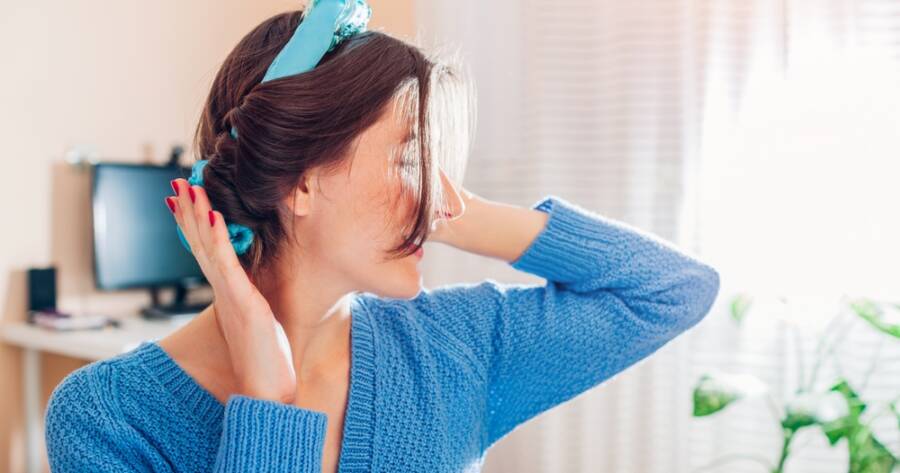
Heatless curls have moved from an old-fashioned bedtime trick to a popular beauty routine seen across social media. Instead of using a curling iron, they shape damp or dry hair with soft rods, fabric wraps, braids, rollers, or simple twists. The appeal is easy to understand: less direct heat, lower styling costs, and curls that can form while you sleep. Still, a heat-free method isn’t automatically damage-free, and the right technique depends on your hair type, comfort, and desired result.
What Are Heatless Curls?
Heatless curls are waves, spirals, or bends created without a curling iron, hot roller, or heated styling brush. Hair is wrapped, braided, twisted, or rolled into a shape and left in place until it holds that pattern. Some methods work in an hour or two, while others are designed to set overnight.
The final result depends on the tool and section size. Large fabric rods tend to create loose, flowing waves. Small foam rollers or flexi rods produce tighter curls. Braids create a crimped or beachy texture, while twisted buns form softer bends. Results also vary based on hair length, natural texture, moisture level, and how easily the hair holds a style.
Why Are Heatless Curls So Popular?
One major appeal is convenience. You can wrap your hair before bed, sleep while it sets, and remove the tool in the morning. Many methods use items people already own, such as socks, a robe belt, scrunchies, or a soft headband. Reusable curling sets are also widely available in different shapes and sizes.
Heatless styling can reduce dependence on hot tools, especially for people who curl their hair several times a week. It may also shorten a morning routine and help curls last longer because the hair remains wrapped for several hours. However, the method still takes practice. The first attempt may produce uneven sections, flat roots, tight ends, or curls that face in different directions.
So, Are Heatless Curls Actually Better for Your Hair?
Heatless curls are generally gentler than frequent high-temperature styling because they avoid pressing very hot tools directly against the hair shaft. Excessive heat can leave hair looking brittle, frizzy, and damaged, so dermatologists recommend limiting curling irons, flat irons, and frequent blow-drying.
However, heat-free doesn’t mean risk-free. Wrapping hair too tightly can place stress on strands and the scalp. Rough accessories may also create friction, while repeated pulling around the hairline can contribute to breakage. In fact, hairstyles that create constant tension can eventually lead to traction alopecia, which is a type of hair loss caused by repeated pulling. The gentlest approach uses loose sections, soft materials, and little pressure at the roots.
Prepare Your Hair Without Making It Too Wet
Most heatless methods hold best when the hair is slightly damp rather than soaking wet. Freshly washed hair may need time to air-dry before it’s wrapped. You can also begin with dry hair and lightly mist each section with water or a leave-in styling spray. Ultimately, your hair should feel flexible and not dripping wet.
Additionally, wet hair may be more likely to stretch and break when it’s brushed, pulled, or rubbed. Regularly sleeping with wet hair can increase friction against the pillow and may contribute to snapping or breakage. It’s best to detangle gently before styling and avoid forcing a brush through knots. People with tightly curled or textured hair may prefer detangling while the hair is wet and conditioned to reduce rough handling.
Try the Robe Belt or Satin Curling Rod Method
A long fabric rod is one of the most recognizable heatless curling tools. You can use a satin-covered curling rod, a soft headband, or the belt from a clean bathrobe. Place the middle of the rod across the top of your head and secure it with a clip so it doesn’t slide.
Divide your hair down the middle. Starting near the face, wrap one section around the rod, adding more hair each time you move downward. Secure the ends with a soft scrunchie, then repeat on the other side. Leave the wrap in place until the hair is fully dry. Larger sections create looser waves, while smaller sections produce stronger curls. Avoid wrapping tightly near your temples or ears.
Use Foam Rollers or Flexi Rods for More Control
Foam rollers and bendable flexi rods make it easier to choose the size and direction of each curl. Start with detangled, slightly damp hair and divide it into manageable sections. Wrap the ends smoothly around the roller, then roll toward the scalp without pulling. Secure the roller gently so it stays in place.
Large rollers create volume and rounded waves, while smaller rods form tighter spirals. Rolling every section in the same direction gives a uniform finish. Alternating directions creates a fuller, more natural look. Foam styles are often more comfortable for sleeping than hard rollers, but bulky sets may still press against the head. People with thick hair may need smaller sections or extra drying time before removing the rods.
Create Easy Waves With Braids or Twists
Braiding is one of the simplest heatless methods because it doesn’t require a special tool. Two loose braids can create broad waves, while four or more braids produce a tighter pattern. Begin with slightly damp hair, divide it evenly, and braid each section without pulling hard at the roots. Secure the ends with fabric-covered elastics.
Twists offer a softer result. Divide the hair into two or more sections, twist each one away from the face, and secure it in a loose bun or coil. Two-strand twists may work especially well for naturally curly or textured hair. Make sure every section has dried before taking it down. If the inside still feels damp, the waves may quickly fall or develop frizz.
Compare Popular Heatless Curling Methods
| Method | Typical result | Best suited for | Main consideration |
|---|---|---|---|
| Satin curling rod | Loose curls or waves | Medium to long hair | May feel bulky during sleep |
| Robe belt | Soft, large curls | Long hair | Fabric thickness affects curl size |
| Foam rollers | Rounded curls and volume | Most lengths | Requires several rollers |
| Flexi rods | Defined spirals | Straight, wavy, curly, or textured hair | Small sections take longer |
| Braids | Beachy or crimped waves | Medium to long hair | Ends may remain straighter |
| Twisted buns | Loose bends and texture | Medium or long hair | Tight buns can pull |
| Sock curls | Soft curls | Medium to long hair | Results may be less even |
No single option works best for everyone. Start with a simple method and adjust the number of sections, wrapping direction, and setting time after seeing how your hair responds.
Match the Method to Your Hair Type
Fine hair often forms curls quickly but may lose them just as fast. A light styling mousse and smaller sections may improve hold without adding too much weight. Thick or straight hair may require more setting time, slightly smaller sections, or a stronger styling product. Make sure the inside layers are dry before removing the tools.
Further, naturally wavy hair may respond well to braids, twists, or a satin rod that strengthens the existing pattern. Curly and coily hair can use flexi rods, twists, or banding to stretch and reshape the curls. Damaged or bleached hair needs especially gentle handling. Use wider sections, loose tension, and smooth accessories. Stop immediately if a method causes pain, pulling, or visible breakage near the hairline.
How To Help Heatless Curls Last Longer
Begin with clean or lightly refreshed hair that isn’t coated with heavy oils. A small amount of mousse, curl cream, or setting lotion can help the strands hold their new shape. Use only enough product to provide control, since too much may leave the curls stiff or slow the drying process.
After removing the rods or braids, let the curls settle before brushing. Separate them with your fingers or use a wide-tooth comb for a softer finish. A small amount of lightweight hair spray may improve hold. For overnight care, gather the curls loosely on top of the head or sleep on a satin or silk-style pillowcase. Don’t repeatedly twist the same tight sections every night, especially around the hairline.
Common Heatless Curl Mistakes to Avoid
Wrapping soaking-wet hair is a common mistake. Thick sections may remain damp all night, leading to weak curls, frizz, and an uncomfortable scalp. Another problem is winding the hair too tightly in the hope of creating stronger curls. Tight wrapping may cause headaches, broken strands, or stress around the hairline.
Uneven section sizes can also produce one tight curl beside a loose wave. Take a little extra time to divide the hair before wrapping. Smooth the ends carefully so they don’t dry with sharp bends. Finally, don’t pull curls apart aggressively in the morning, and avoid brushing them immediately unless you want a softer, fuller finish. Remember that heatless curls should feel comfortable while setting. Pain isn’t a sign that the method is working better.
A Gentler Way to Change Your Style
Heatless curls can be better for your hair when they replace frequent high-temperature styling and are done with loose tension, soft accessories, and mostly dry hair. But they still require careful handling, especially for fragile, bleached, or thinning strands. Try a satin rod, rollers, braids, twists, or sock curls, then adjust the method to suit your length and texture. A good technique should create the look you want without causing soreness, pulling, or added breakage.